
Slow travel with kids: why we stopped trying to see everything (and our family trips got so much better)
How a family travel planner discovered that slowing down creates better memories than ticking boxes
I stood at the base of the Eiffel Tower, phone in hand, staring at ticket prices that made my eyes water. My son had been here as a toddler and didn't remember it. The mum-guilt was real - what kind of parent takes their kids to Paris and doesn't go up the Eiffel Tower?
But tickets were expensive and nearly impossible to secure. My teens and tweens had already delivered their verdict with that particular brand of teenage certainty: "Yeah, it's going to be rubbish not seeing it from inside."
But we didn't go up.
Instead, we found a spot on the grass as the sun began to set. We bought overpriced crêpes from a nearby stand. We people-watched. We took dozens of silly selfies with the Tower looming behind us as the light changed. My daughter taught herself to take those "holding the Eiffel Tower" perspective photos. Then we waited, crêpes in hand, for the moment when the Tower lit up against the darkening sky.
Those photos? They're some of my favourites from the entire trip. Not because of what we did, but because of how we felt doing it. The golden hour light, the laughter, the fact that we were all just... present.
That afternoon at the Eiffel Tower didn't spark my slow travel philosophy - I'd been moving in that direction for a while. But it confirmed something I'd been quietly learning: sometimes the best family travel moments happen when you stop trying to tick all the boxes.
When "seeing everything" stops working for family travel
For years, I planned family trips the way I thought you were supposed to: meticulously researched itineraries, early morning starts, a list of must-sees that would make any guidebook proud. We'd return home exhausted but triumphant - we'd done the city properly.
Except my children weren't collecting experiences like stamps in a passport. They were young humans with their own rhythms, their own capacity for stimulation, their own ideas about what made a day good.
The shift didn't happen all at once. It was a series of small realisations: the museum we rushed through that no one actually enjoyed. The famous square we ticked off whilst someone moaned about sore feet. The mounting tension as I tried to keep us on schedule whilst my kids just wanted to linger at the playground we'd stumbled upon.
I realised we were travelling at our children rather than with them.
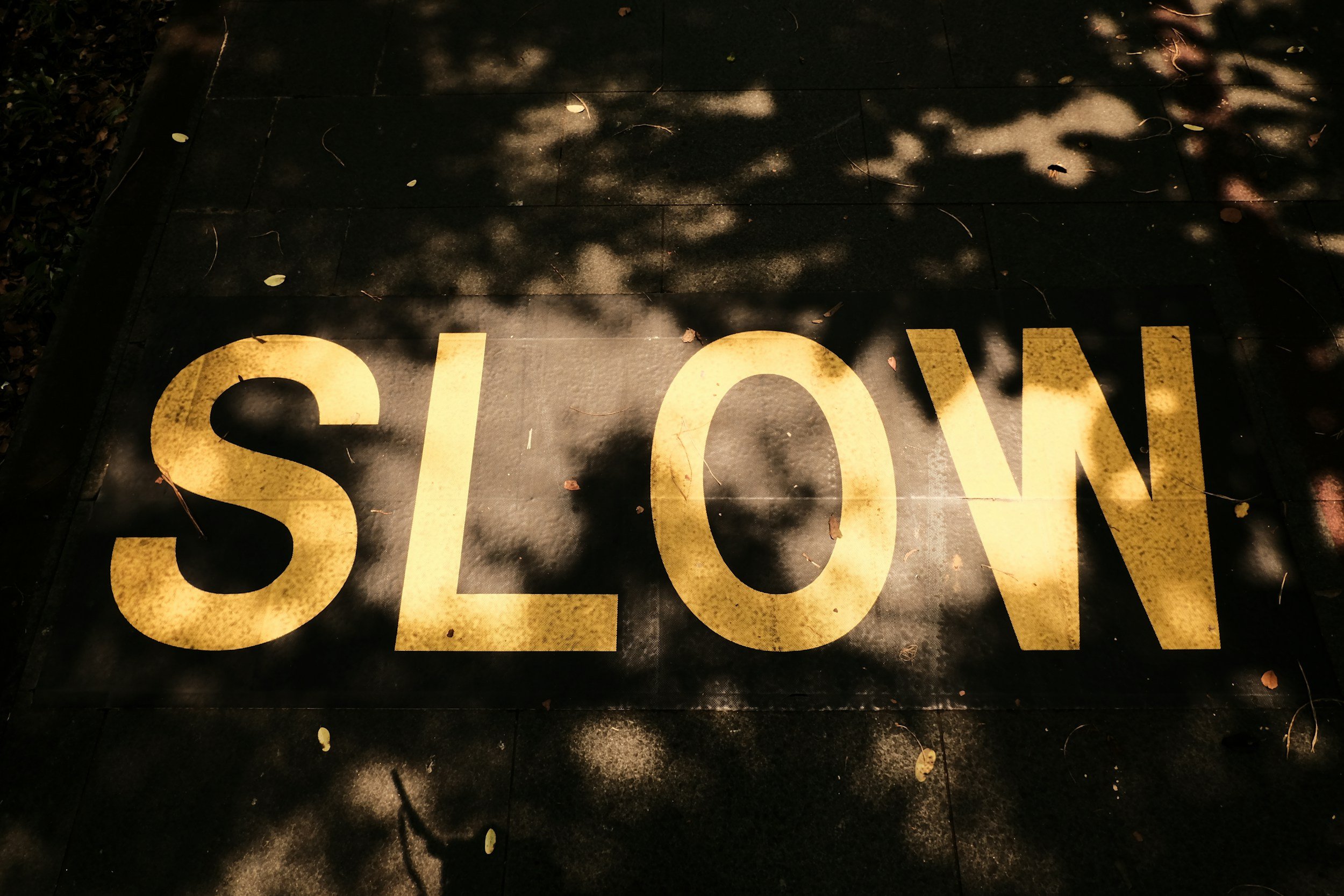
What slow travel with children actually looks like
Slow travel doesn't mean you never visit famous sites or that you spend entire days doing nothing. It means building your family trip around a different set of priorities - ones that value quality over quantity and presence over productivity.
These days, our family trips look something like this:
Choose a maximum of 2 meaningful activities per day
Instead of cramming in 7 attractions, we select one major sight, a neighbourhood to wander, and time for an unhurried meal. The rest? Unscheduled.
Portugal slow travel example: Rather than trying to "do" all of Lisbon's famous sights in one day (Belém Tower, Jerónimos Monastery, São Jorge Castle, Alfama, Bairro Alto...), we might spend a morning at Parque das Nações exploring the Oceanarium, then have lunch along the riverfront, and finish with unstructured time riding the cable car and discovering the street art. That's it. One area, properly experienced.
Stay in one place longer
Rather than a whistle-stop tour of five cities, we base ourselves in one location and take day trips. Those 15 days in the Algarve, exploring a different beach or village each day whilst returning to the same comfortable base each evening? Far better than racing from Lisbon to Porto to Faro in the same timeframe.
Slow travel Portugal itinerary example: Instead of 3 nights in Lisbon, 2 in Porto, 2 in the Algarve, and 1 in Sintra, we might spend a full week based in one Algarve town. One day we visit Martinhal beach (never crowded even in peak season and without the trek down the cliffs). Another day, the dramatic cliffs of Praia da Arrifana near Aljezur. A third day could be a goat farm visit where the children learn to make cheese. Each experience gets the time it deserves, and we always return "home" to our familiar accommodation.
Let the kids influence the pace
If they want to spend 45 minutes watching street performers, we do. If they're fascinated by a random shop selling vintage toys, we go in. These detours often become the moments they talk about months later.
Build in "nothing" time
Breakfast without rushing. Afternoons at the accommodation. Time to process, rest, just be. This isn't wasted time - it's the breathing space that makes everything else enjoyable.
When we spend a week in the Algarve, we don't feel obligated to leave the villa or apartment every single day. Sometimes the best day is a beach morning followed by an afternoon at the pool, reading and playing.
Give attractions the time they deserve - or skip them entirely
Better to really experience one museum than race through three. Better to admire the Eiffel Tower from below than queue for two hours with grumpy children.
Family-friendly Portugal example: Lisbon's Quake museum is brilliant for older children - it's interactive and teaches them about the 1755 earthquake that destroyed the city. But it's intense, and the youngest wouldn't enjoy it. Rather than forcing everyone through or skipping it entirely, we split up when we travel with extended family, or we simply save it for when all the kids are old enough to appreciate it.
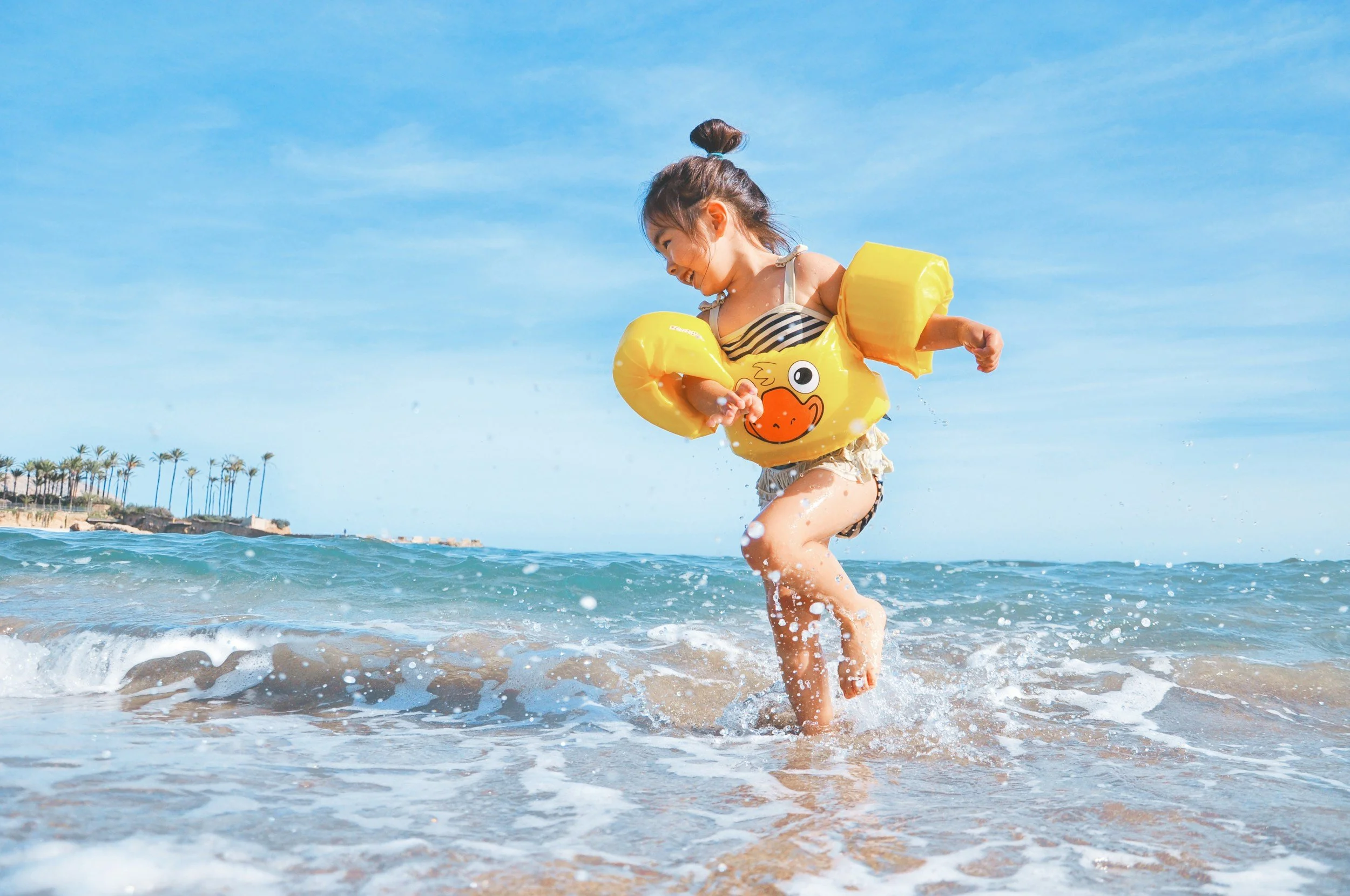
What slow family travel gave us back
The benefits of slowing down weren't just theoretical - they showed up in tangible, beautiful ways.
Children who actually remember their trips
My children don't recall every cathedral or viewpoint, but they remember the afternoon we got gloriously lost in a Lisbon neighbourhood and stumbled upon a tiny café where the owner taught them Portuguese phrases. They remember the evening we abandoned our dinner plans because we found a beach at sunset and a pizza nearby.
They tell their friends about the time we spent an hour at a Portuguese market because they were fascinated by the fish stalls. About the afternoon at Quinta Rosa goat farm in the Algarve where they herded goats and learnt to make cheese.
Better photos (and I don't mean technically)
Everyone's actually happy in them. We're not capturing the moment we saw something; we're capturing moments we lived.
Less arguing, more connection
When you're not rushing from place to place, when there's flex in the schedule, when missing something doesn't derail the entire day - the pressure lifts. We travel together more peacefully.
Rediscovering why we travel
I fell in love with travel again. It wasn't about seeing the most things. It was about those moments of genuine connection with a place - something that's impossible when you're sprinting through it.
The practical side: how to plan slow family travel
Making this shift isn't just philosophical - it requires some practical changes in how you plan family holidays.
Choosing what makes the cut
I ask myself three questions now:
Does this genuinely interest our family, or am I doing it because I feel I should?
Will we actually enjoy this, or just be able to say we did it?
Does this fit our energy levels and the day's rhythm?
Portugal travel planning example: The Benfica Stadium tour in Lisbon is fantastic - if you have football-mad kids. The tile painting workshop is wonderful - if your children enjoy hands-on creative activities. The cork factory visit teaches about traditional Portuguese materials - if your kids are curious about how things are made. I help families choose based on their interests, not a generic "Top 10 Things to Do" list.
Managing FOMO (Fear of Missing Out)
Yes, there are things we "miss". My children have been to Paris multiple times and never climbed the Eiffel Tower. They've been to London and never seen the Crown Jewels. They've been to Lisbon and never done the famous Tram 28 route.
And they're absolutely fine. They've had rich, memorable experiences - just different ones.
What to do with the "extra" time
This worried me initially. Wouldn't my kids be bored?
Turns out, unstructured time is where the magic happens. They notice things. They play. They actually absorb where they are. A morning "doing nothing" at the beach - building sandcastles, playing in the shallow water perfect for kids, walking along the seemingly endless beach - often becomes a highlight.
Balancing adult desires with children's needs
I'm honest about what I really want to see versus what I think I should see. If there's something I genuinely want to experience, we make it work - but it's one carefully chosen thing, not a list of obligations.
When I work with families as a travel planner, this is one of the first conversations we have: what do you actually want from this trip? Not what Instagram or guidebooks say you should want.
FAQ: Slow Travel with Kids
What is slow travel with children?
Slow travel with kids means prioritising quality experiences over quantity, choosing 2-3 activities per day instead of overpacking your itinerary, staying in one base location longer, and building in unscheduled time for rest and spontaneous discoveries.
How do you plan a slow travel family trip?
Start by choosing one base location for longer stays (7-15 days), select 2-3 genuine family interests per day, build in "nothing time", and focus on experiences you'll actually enjoy rather than tourist obligation checklists.
Is slow travel more expensive?
Not necessarily. Slow travel often saves money by reducing accommodation changes, transportation costs between cities, and the pressure to do expensive paid attractions. You also waste less on rushed meals and activities no one enjoys.
What are the benefits of slow travel for families?
Children form genuine memories, families argue less without constant rushing, photos capture real moments of happiness, and parents rediscover why they love travel. It reduces stress and increases authentic cultural experiences.
Can you do slow travel in popular tourist destinations?
Absolutely. Slow travel is about your approach, not your destination. Even in Paris or Lisbon, you can choose fewer activities, linger longer, and prioritise presence over productivity.
Real-life slow travel: Portugal family holiday examples
Let me show you what this looks like in practice with actual Portugal itineraries:
The Rusher's Lisbon (what everyone wants to do):
Day 1: Belém (Tower, Monastery, Monument to Discoveries, pastéis de Belém), rush to Alfama for dinner
Day 2: São Jorge Castle, Tram 28, lunch in Chiado, Elevador de Santa Justa, Rossio Square, Bairro Alto at night
Day 3: Day trip to Sintra (Pena Palace, Moorish Castle, town centre, Quinta da Regaleira), somehow fit in Cascais too
Result: Exhausted children, arguments, superficial experiences, stress
The Slow Traveller's Lisbon (What we do now):
Day 1: Morning at Parque das Nações (Oceanarium, cable car, riverside walk), lunch at a family-friendly restaurant in the area, afternoon rest, casual evening stroll
Day 2: Belém morning only (choose 1-2 sites based on family interest, pastéis de Belém, riverside gardens), afternoon unscheduled or at accommodation, optional evening walk
Day 3: Entire day trip to Sintra (just one palace - maybe Monserrate - and wandering the town), return for early, relaxed dinner
Day 4: Tile painting workshop in morning, lunch in LX Factory, afternoon exploring that creative neighbourhood at the family's pace
Result: Happy children, genuine memories, deep experiences, joy
Slow Travel Base: the Algarve approach
Instead of moving every 2-3 nights, we base ourselves in one location (like Carvoeiro or Albufeira) for 10-15 days. Each day becomes its own mini-adventure:
Beach rotation: Different beaches have different vibes. Praia da Falésia for space and shallow water, Praia da Arrifana for dramatic scenery, Praia Olhos de Água for a smaller beach with cafés nearby
Cultural experiences: A morning at the cork factory, an afternoon at a goat farm, a visit to quiet Aljezur town
Active days: The 7 Hanging Valleys coastal walk (only with older kids who can handle cliffs safely), water sports at Armação de Pera beach
Rest days: Pool time, beach mornings only, reading, playing
This approach means unpacking once, having familiar places to eat, knowing where the good playgrounds are, and giving children the security of a "home base" whilst still experiencing variety.
The stories that actually matter
My children don't bore their friends with tales of famous monuments. They tell stories about the time we watched the Eiffel Tower light up whilst eating crêpes on the grass. About the afternoon we spent an hour in a Portuguese market because they were fascinated by the fish stalls. About the evening we planned to have a nice restaurant dinner but ended up getting pizza and eating it on a wall overlooking the sea because everyone was tired and it was perfect.
These are the moments they'll carry into adulthood. Not a mental catalogue of tourist attractions, but genuine memories of feeling present, together, fully immersed in the experience of being somewhere new.
That's not to say we never visit famous sites or that every moment is Instagram-worthy serenity. We still see cities, visit museums, eat in nice restaurants, tick off some famous spots. But they're woven into a trip built on a different foundation - one where rest, spontaneity, and genuine enjoyment matter more than a complete itinerary.
The permission you might need to embrace slow travel
If you're reading this feeling guilty about your own overstuffed itineraries or anxious about "wasting" precious travel days, here's what I wish someone had told me earlier:
You're not being lazy by slowing down. You're being intentional about creating the kind of family travel experiences that actually matter.
You're not shortchanging your children by skipping things. You're giving them something more valuable: the space to genuinely experience, not just see.
You're not failing as a parent if you choose the crêpes-on-the-grass option over the expensive ticket, or if you spend a day at one Algarve beach instead of rushing to three different towns.
You're giving your family something more valuable than a comprehensive tour. You're giving them presence. Connection. The space to actually experience, not just see.
Your children won't remember every museum you dragged them through. But they'll remember how they felt. They'll remember the laughter, the discovery, the time you all just sat together watching a city wake up or wind down - or watching the sun set over an Algarve beach whilst building sandcastles.
And those photos on your phone? The ones where everyone's genuinely smiling, relaxed, together? Those are the ones you'll treasure.
Ready to plan your own slow family travel adventure?
So go ahead. Buy the crêpes. Skip the queue. Spend the day at one perfect beach instead of rushing to see three. Let the trip unfold at its own pace.
Your children - and your future self - will thank you for it.
As a family travel planner who specialises in slow travel, I help families design trips that prioritise connection over checklists. Whether you're planning your first trip to Portugal or looking to travel differently anywhere in the world, I can help you create an itinerary that works for your unique family - not just another generic guidebook tour.
Want help planning a slow travel family trip? Click here
Curious about slow travel in Portugal specifically? Click here
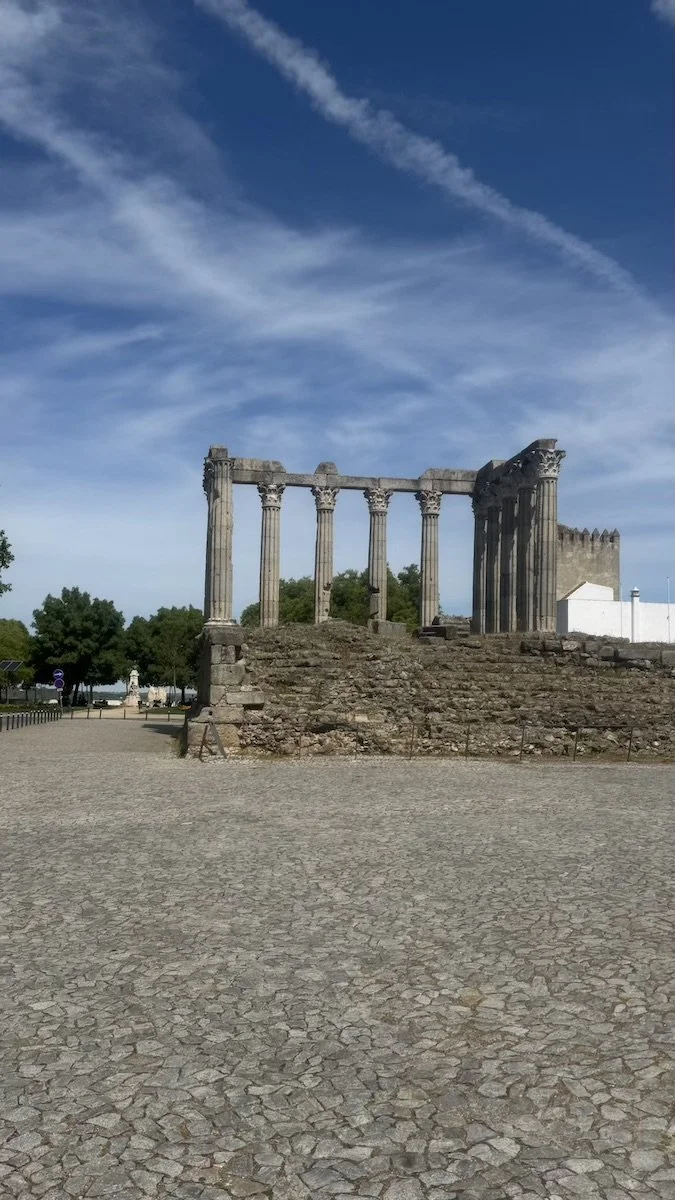
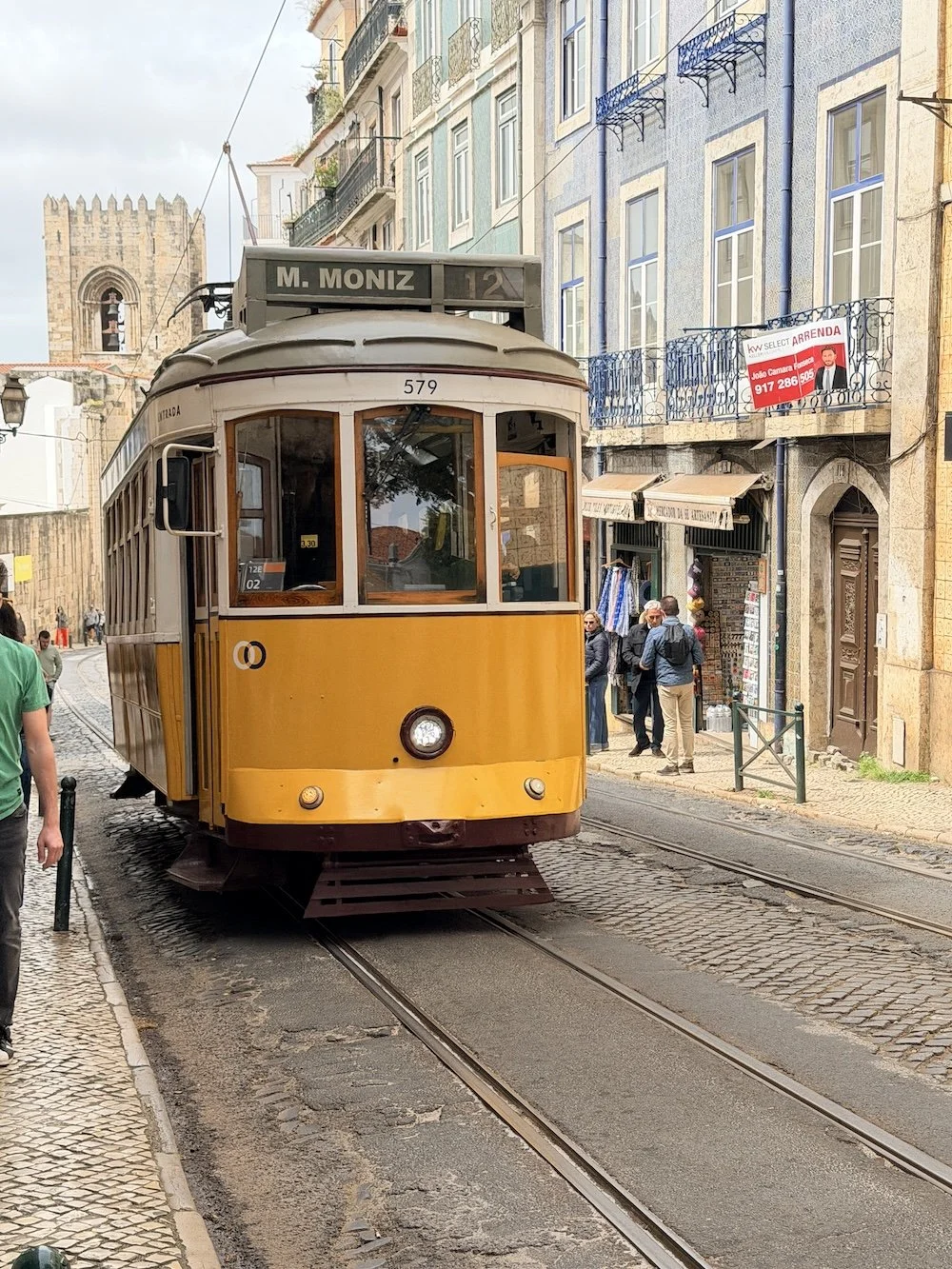


A family guide to Guimarães, Portugal. Castle, Palace, cable car to Penha, a secret rock tavern, and the kind of medieval history kids actually love. From a mum who lives in Portugal.